Western Medical Acupuncture
A clinically informed approach to acupuncture, used to enhance recovery, relieve pain, and reduce muscle tension alongside osteopathic treatment.
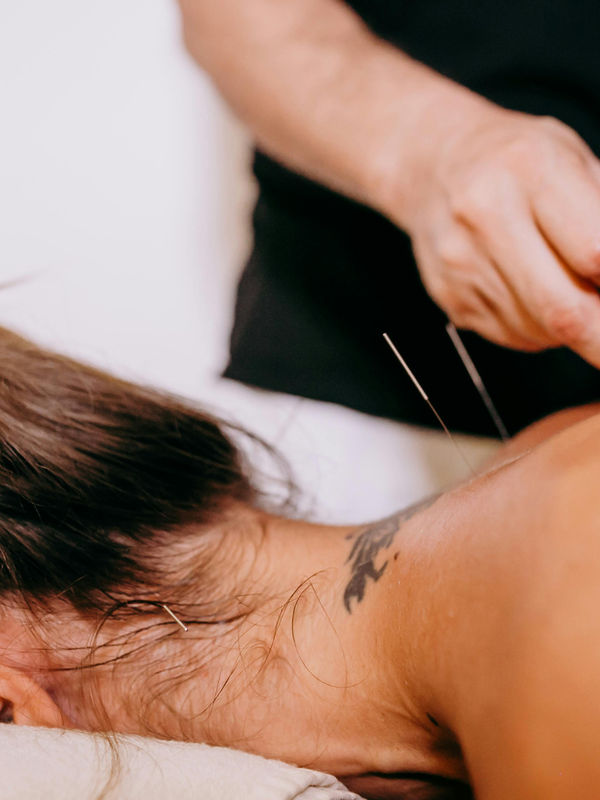
Acupuncture grounded in science
Western medical acupuncture (WMA) uses the traditional technique of fine needle insertion, but within a modern clinical framework informed by anatomy, physiology and evidence-based research, rather than traditional Chinese energy meridian theory.
Needles are placed at anatomically relevant sites (trigger points, motor points, and areas of referred pain or muscle restriction) to produce localised and neurological effects that reduce pain and promote tissue recovery.
At & Wellness, acupuncture is offered as an adjunct to osteopathic treatment, not as a standalone modality. Henry uses it selectively where it adds clinical value, for example, in persistent myofascial pain or where additional pain relief supports hands-on work.
How acupuncture is used here
Acupuncture is always used within the context of an osteopathic appointment, not as a separate standalone session.
Fine, sterile needles
Single-use, pre-sterilised needles, typically 0.25mm diameter. Many patients describe little to no sensation at insertion.
Trigger point release
Needles placed into myofascial trigger points to release chronic muscle tension and reduce referred pain patterns.
Pain modulation
Needling stimulates endogenous opioid release and descending pain inhibition pathways, giving measurable pain relief.
Adjunct to osteopathy
Used where it will enhance the effect of osteopathic treatment, for example, in persistent or difficult-to-reach muscle tension.
Local tissue effects
Localised needling promotes increased blood flow, connective tissue changes, and normalises pain sensitisation in the area.
Fully explained
Henry will explain exactly what he's doing, why, and what to expect, including typical responses like mild aching around the needle (the 'de qi' sensation).
Conditions that respond well
WMA is most effective when combined with osteopathic treatment for these conditions.
Persistent musculoskeletal pain
Chronic lower back pain, neck pain, and myofascial pain syndromes where conventional treatment alone produces partial relief.
Tension headaches
Cervicogenic and tension-type headaches, particularly where upper trapezius and suboccipital trigger points are contributing to the pain pattern.
Stress & anxiety-related tension
Diffuse muscle tension driven by stress or anxiety often responds well to acupuncture alongside hands-on osteopathic work and lifestyle advice.
Is acupuncture safe?
Western medical acupuncture, as practised by a registered healthcare professional, is very safe. Henry uses single-use, sterile needles and follows strict clinical hygiene protocols. Serious side effects are extremely rare.
Common temporary responses include mild bruising or soreness at needle sites, and occasionally a brief feeling of lightheadedness or relaxation immediately after. These resolve quickly.
Acupuncture is used here only when clinically appropriate. If it's not right for your case, or if you'd prefer not to have needles, Henry will offer an effective alternative approach using manual therapy alone.
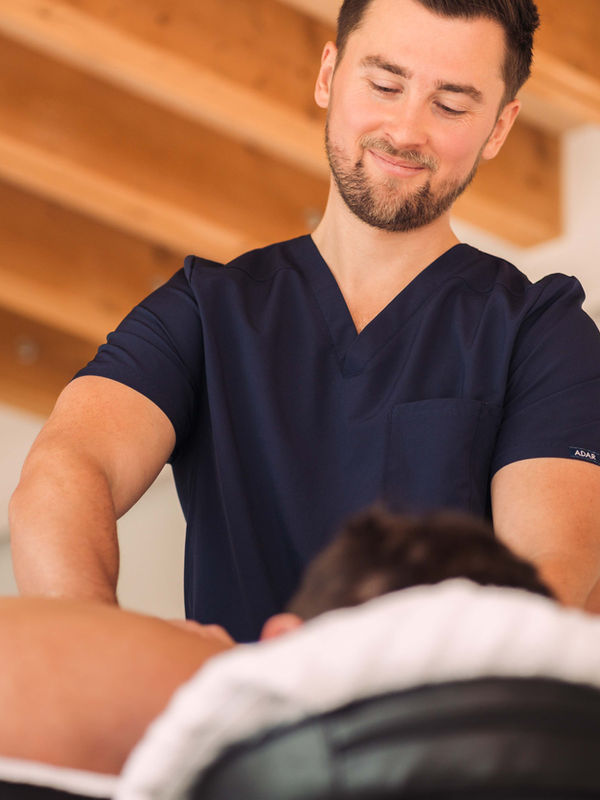
Treated by Henry
Henry is a GOsC-registered osteopath trained in western medical acupuncture. He uses acupuncture selectively, only when it will add genuine clinical value alongside osteopathic treatment.
If you have questions about whether acupuncture is appropriate for you, or would prefer a manual-therapy-only approach, Henry is happy to discuss before you book.